danske spil bingo — 2026s bedste onlinebingohaller
danske spil bingo er et spil, hvor held og forberedelse går hånd i hånd. Mange spillere undervurderer betydningen af at vælge det rigtige bingorum og forstå spillets regler. danske spil bingo app giver dig et overblik over de forskellige muligheder, så du kan træffe det bedste valg.
casino house trustpilot — nyeste vurdering | casino house trustpilot
See also:
- En grundig introduktion til danske spil bingo app
- danske spil bingo at a Glance
- Bonuses & Wagering Terms at danske spil bingo
- danske spil bingo Platform Screenshots
- Betalingsmetoder: danske spil bingo ny bruger og sikker betaling
- Vores guide til danske spil bingo app: Ofte stillede spørgsmål
- danske spil bingos politik for ansvarligt spil og lotteri
En grundig introduktion til danske spil bingo app
The concept of a second chance is one of the most profound and transformative ideas in human experience. It embodies the possibility of redemption, the opportunity to correct past mistakes, and the hope that our future is not irrevocably determined by our past actions. In literature, film, and philosophy, the second chance is a recurring motif, often serving as the catalyst for character development, moral exploration, and emotional catharsis. It is the moment when a protagonist, having faced failure, loss, or moral compromise, is offered the opportunity to rewrite their story, to choose a different path, or to reconcile with those they have wronged. This narrative device resonates deeply with audiences because it mirrors our own desires for forgiveness, growth, and the belief that we are not defined solely by our worst moments. In real life, second chances manifest in myriad forms: a recovering addict entering rehabilitation, a student retaking an exam after failing, a relationship mended after betrayal, or an employee given a new project after a costly error. Each of these scenarios carries with it a weight of uncertainty and vulnerability, as the recipient must grapple with the fear of repeating past mistakes while summoning the courage to try again. The psychological underpinnings of a second chance involve a complex interplay of self-awareness, accountability, and resilience. To truly embrace a second chance, one must first acknowledge the failure without succumbing to self-condemnation, then actively work to understand the root causes of the original misstep, and finally commit to a course of action that demonstrates genuine change. This process is rarely linear; it often involves setbacks, moments of doubt, and the temptation to fall back into old patterns. Yet, it is precisely through this struggle that the second chance gains its power. It forces individuals to confront their own limitations, to develop new coping strategies, and to build a more authentic sense of self. Moreover, the granting of a second chance is not solely the responsibility of the individual seeking it; it also requires a community, institution, or person willing to extend grace. This act of granting forgiveness is not a simple dismissal of wrongdoing but rather a deliberate choice to prioritize potential over past, to believe in the capacity for human change, and to invest in the possibility of a better outcome. In social contexts, second chances can take on systemic dimensions, such as criminal justice reforms that offer rehabilitation over punishment, educational policies that allow for academic redemption, or workplace cultures that encourage learning from failure rather than penalizing it. These institutional second chances are essential for fostering a society that values growth and inclusivity, yet they are often fraught with controversy, as questions of fairness, safety, and accountability arise. For instance, should a convicted felon have the right to vote or gain employment? Should a doctor who made a fatal error be allowed to practice medicine again? These questions highlight the tension between compassion and risk, between the individual’s right to redemption and the collective’s need for protection. Ultimately, the concept of a second chance challenges us to reconsider our own beliefs about human nature. Are people fundamentally capable of change, or are we bound by our pasts? The answer likely lies in the nuanced reality that while some individuals may squander their opportunities, many others rise to the occasion, transforming their lives in ways that inspire others. The stories of individuals who have successfully navigated second chances often share common elements: a supportive network, a clear goal, and an internal drive to not let the opportunity slip away. These narratives serve as powerful reminders that our mistakes do not have to be our final chapters. They teach us that failure can be a teacher, that regret can be a motivator, and that redemption is possible when we are willing to do the hard work of self-improvement. In a world that often feels unforgiving and quick to judge, the idea of a second chance offers a counter-narrative of hope and possibility. It encourages us to be more merciful in our judgments of others, to recognize that everyone is fighting their own battles, and to understand that the line between success and failure is often blurred by circumstance, timing, and support. As we navigate our own lives, we may find ourselves in the position of either seeking a second chance or granting one to someone else. In either role, we are participating in a timeless dance of vulnerability and trust, where the stakes are high but the rewards are even higher. A second chance is not a guarantee of success; it is an invitation to try again, with the wisdom gained from experience. It is a testament to the human spirit’s resilience and its relentless pursuit of meaning and connection. Therefore, whether we are the giver or the receiver, we should approach second chances with humility, intentionality, and a deep respect for the transformative potential they hold.
danske spil bingo at a Glance
| Feature | Details |
|---|---|
| Total games | 2650+ titler |
| VIP program | Exclusive rewards & cashback |
| Banking | Multiple secure methods |
| Udbetalingsmetoder | Visa, Mastercard, Neteller, Skrill |
| Danish language | Full support & site |
Bonuses & Wagering Terms at danske spil bingo
- kr2000 + 500 gratis spins
- 300 % bonus op til kr300
- 75 % match op til kr2000
- 40x omsætningskrav
- 50x wagering på 21 dage
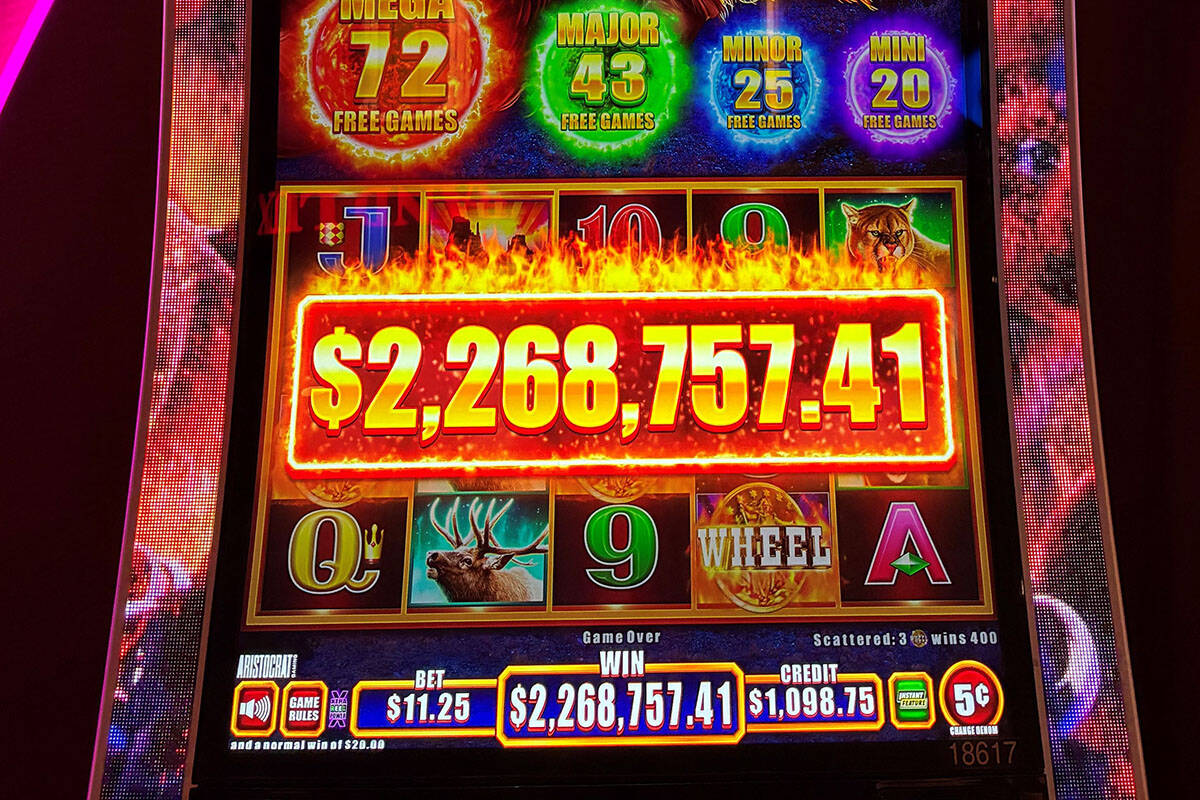
danske spil bingo Platform Screenshots
Betalingsmetoder: danske spil bingo ny bruger og sikker betaling
En god strategi for danske spil bingo inkluderer at kende spillets regler.
Vores guide til danske spil bingo app: Ofte stillede spørgsmål
Hvordan opretter jeg en konto hos danske spil bingo?
Du opretter nemt en konto ved at klikke på ‘Tilmeld dig’ og udfylde dine oplysninger. Husk at bekræfte din e-mail og foretage din første indbetaling for at aktivere eventuelle bonusser.
Kan jeg spille bingo og lotteri med mobilen hos danske spil bingo?
Ja, danske spil bingo er fuldt mobiloptimeret, så du kan spille både bingo og lotteri direkte fra din smartphone eller tablet via browseren.
Hvilke betalingsmetoder kan jeg bruge hos danske spil bingo?
Du kan bruge flere forskellige betalingsmetoder såsom kreditkort, bankoverførsel og e-wallets. Den præcise liste finder du under ‘Bank’ i din spillerprofil.
Hvordan fungerer bonus- og omsætningskrav hos danske spil bingo?
Når du modtager en bonus, skal du som regel opfylde et omsætningskrav på 30x indsats på 14 dage gange bonusbeløbet, før du kan hæve gevinster. Læs altid bonusvilkårene for at se de specifikke regler.
Er danske spil bingo licenseret og sikkert at spille hos?
Ja, danske spil bingo er licenseret af Spillemyndigheden, hvilket sikrer, at spillet er fair, og at dine personlige oplysninger er beskyttet med moderne sikkerhedsteknologi.
Brug af danske spil bingo kan være sjovt, hvis du sætter et budget.
poker stars casino — eksklusive pokerbonusser | poker stars casino
mr vegas casino bonus — bonus uden indbetaling | mr vegas casino
danske spil bingos politik for ansvarligt spil og lotteri
Gambling er kun for voksne over 18 år. danske spil bingo er licenseret af Spillemyndigheden, og vi opfordrer alle spillere til at bruge ROFUS (Register over Frivilligt Udelukkede Spillere) for at styre deres spil. Hvis du eller en du kender har brug for hjælp, kan du kontakte StopSpillet på 70 22 28 25. Sæt altid indbetalings- og tidsgrænser, og husk at spille for underholdningens skyld – aldrig for at jagte tab. Spil ansvarligt.